Melbourne Conference Photographer


 sarah carrHave worked with Simon a number of times now and can always count on him to produce wonderful, high-quality shots that truly capture the essence of our events. We've created such a great working relationship that he knows just what we want out of our event photos and manages to deliver above and beyond every time.Victoria FratinHighly recommend working with Simon! He was lovely and easy to work with during our annual conference and he took beautiful photos that captured the vibe of our event. An absolute treat to work with!Jordan CrouchVery professional, helpful and accommodating!Fraser BakerIf you're looking for an experienced and professional event and corporate photographer in Melbourne, you can't find better than Simon from Man With A Camera Photography. Highly recommended!MishMannersSimon was amazing to work with. He captures a moment beautifully and did a great job at our Serverless days conference.Alicia CheahSimon does fantastic work, is very well-priced, and helped us get lots of great memories and photos of our community conference. He was also very quick to get the photos to us - within a week of the event. Highly recommended!Daniel DelawayIf you're looking for a down to earth photographer you can trust to absolutely kill it at your event, look no further, Simon's your guy. Professional photos at competitive prices - would highly recommend!Lorraine KhngHad the pleasure of working with Simon at All Energy Conference, where he photographed our booth and activities at the event. Excellent work ethic and very professional, Simon was willing to get input and direction but at the same time worked independently and added his creative spin to the pictures. Thanks Simon!Shammah EricFantastic work by Simon! He helped us with our company conference and captured all the important moments. The photos came out great and we received a lot of feedback from our staff regarding his professionalism. Highly recommend! 😊Donna DamyonSimon was very patient and gave great direction during our work photo shoot. Photos look fantastic. Thanks Simon.

Why Use a Professional Event & Conference Photographer?
When hosting a major corporate event or conference, working with self motivated and professional photographers helps alleviate some of the stress from the planning and ensures that you’ll receive high quality photography and video.
As experienced and professional conference photographers, we know how to capture your event for maximum exposure and impact.
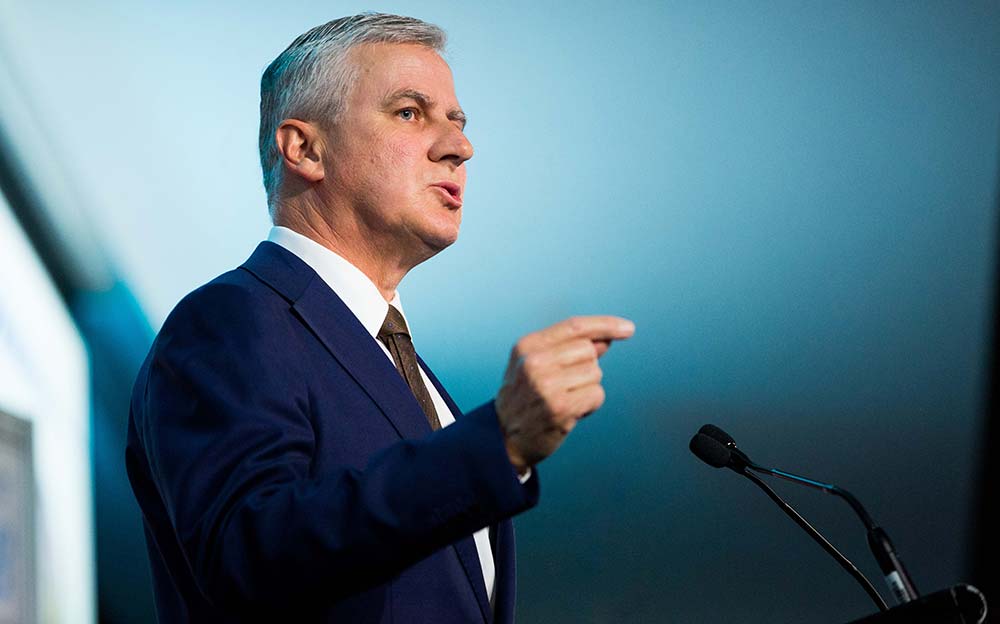
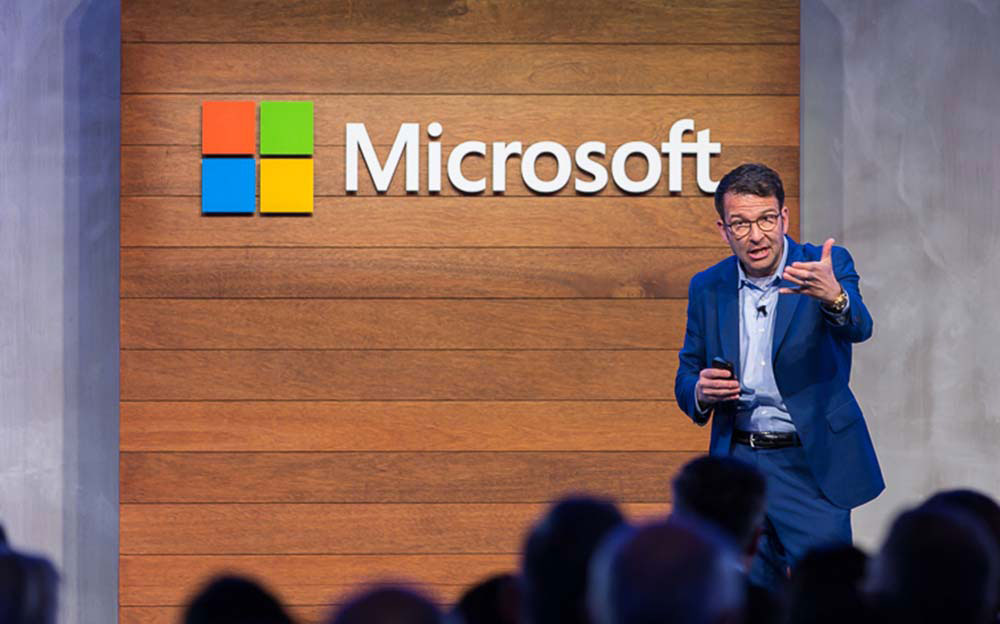
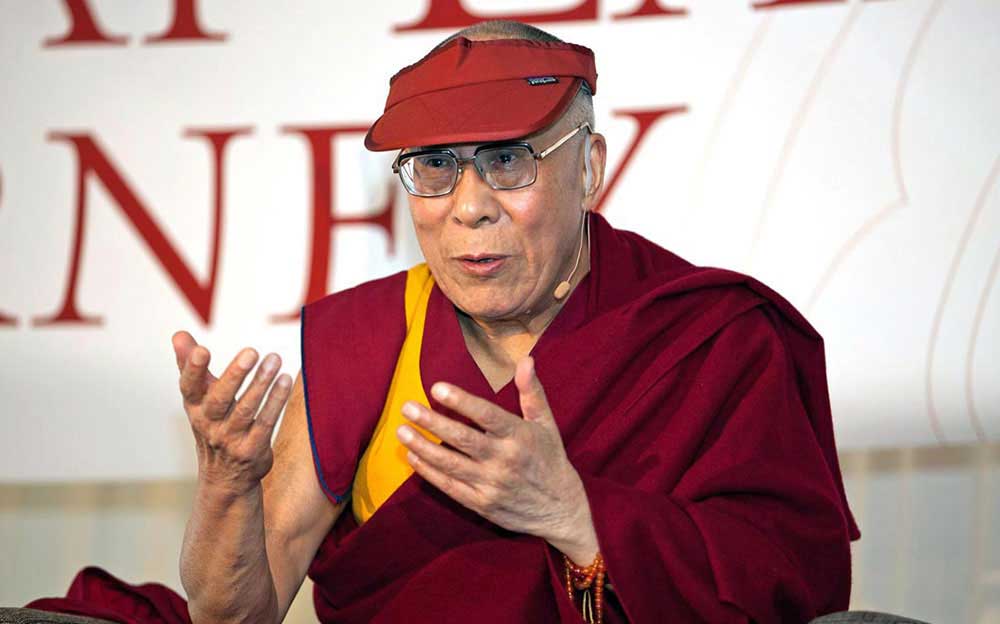
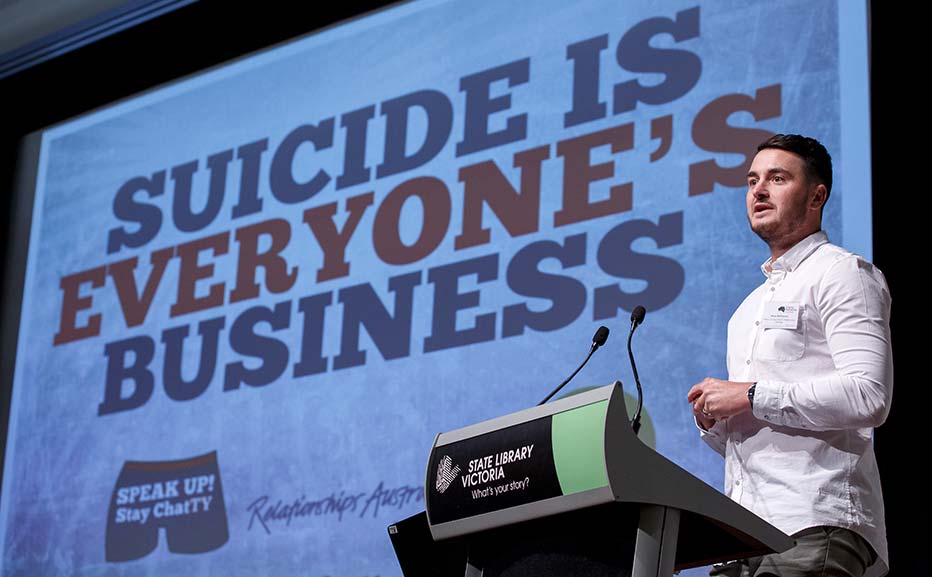
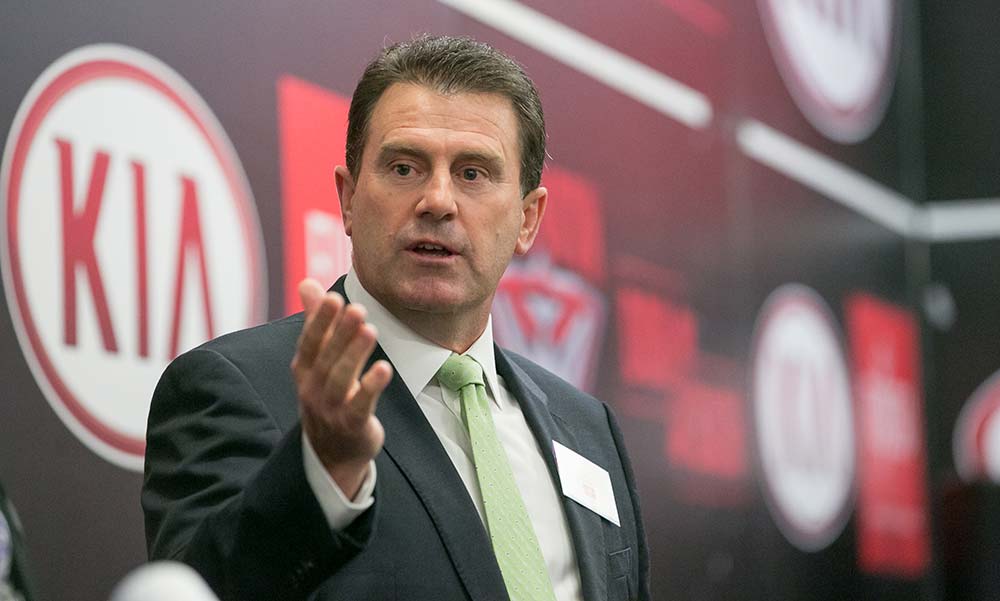
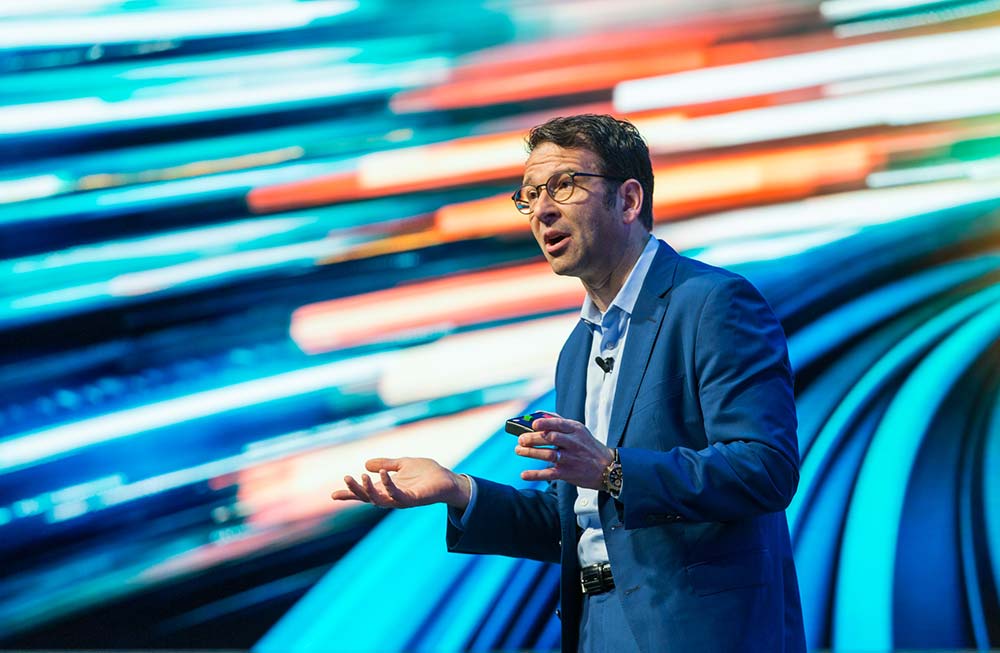
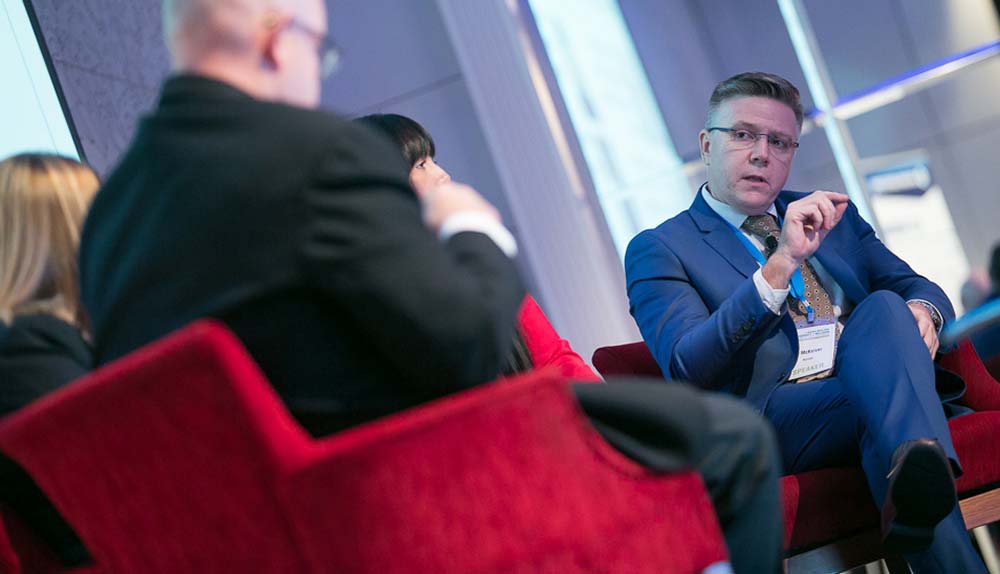
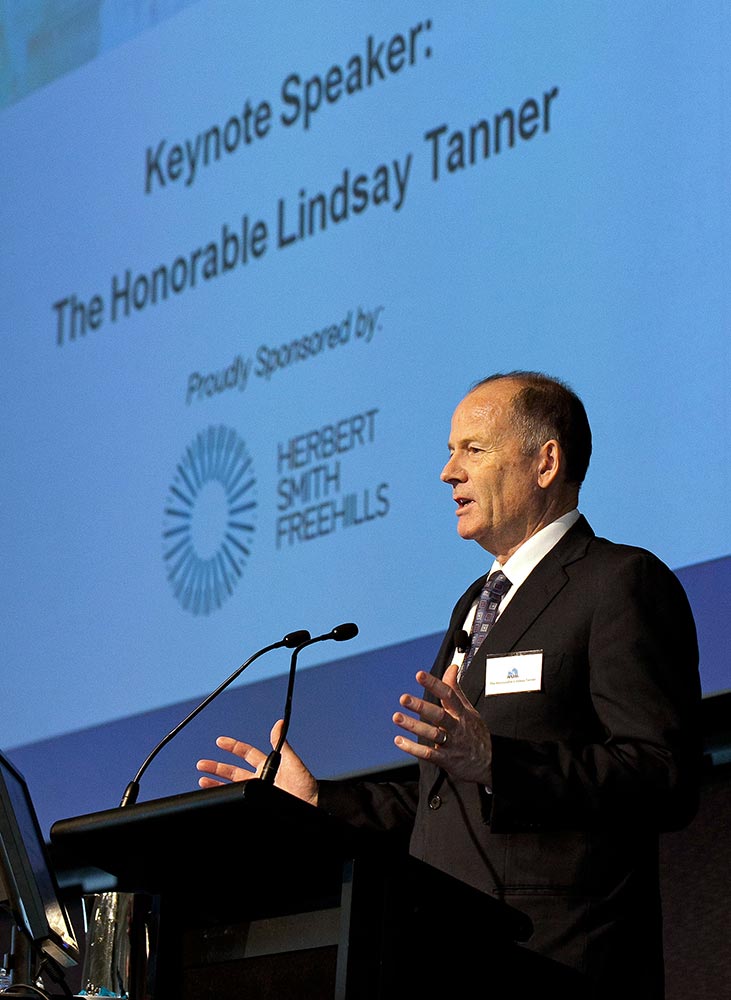
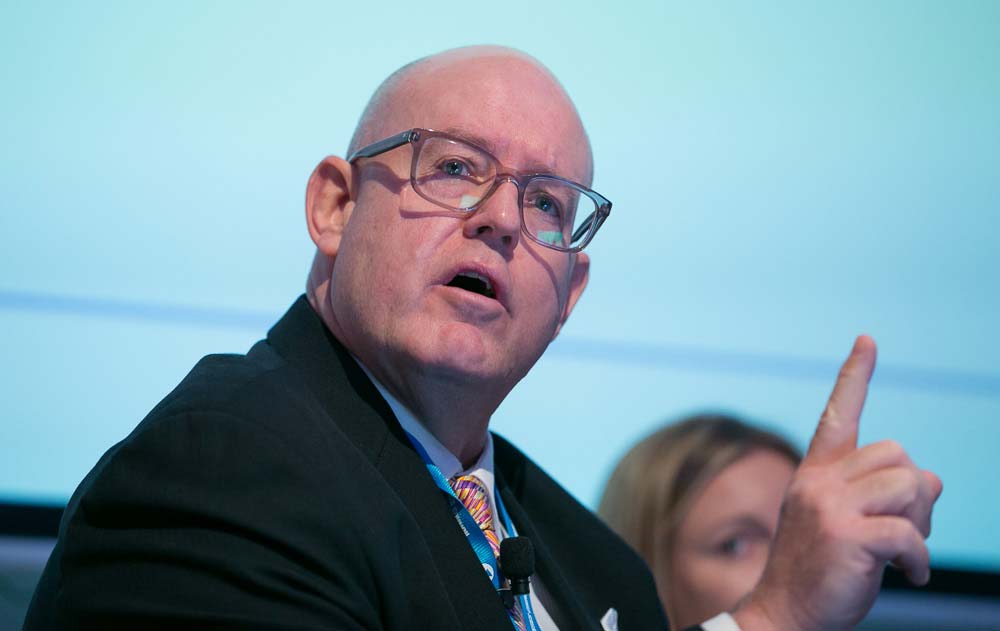
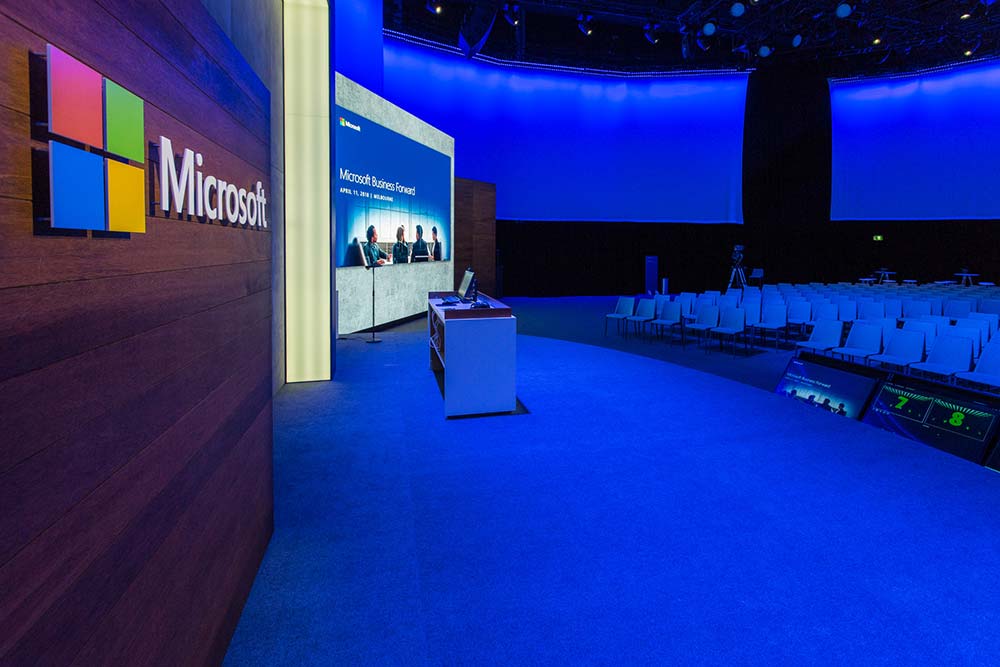
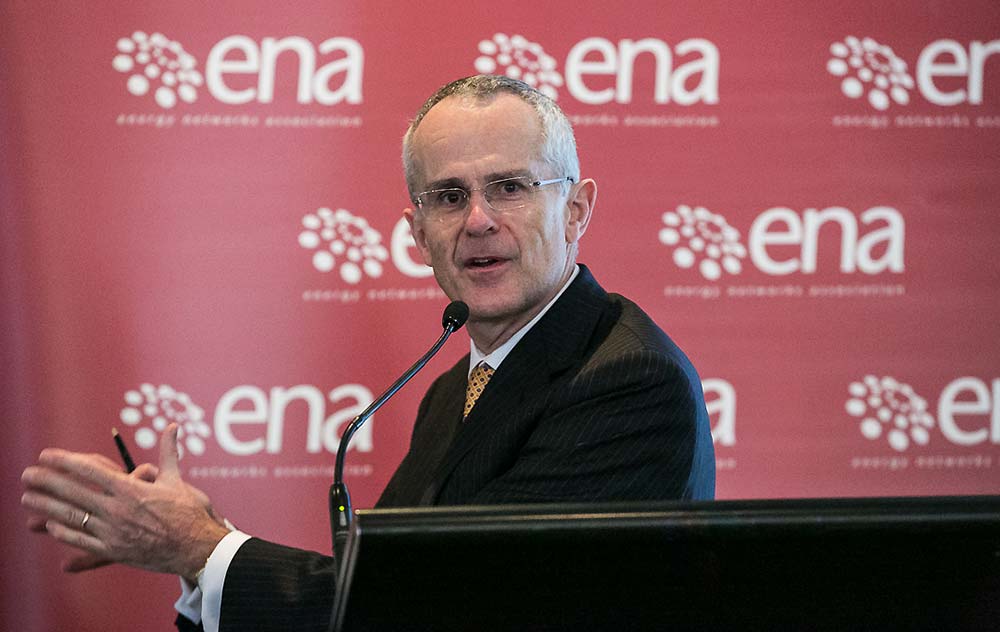
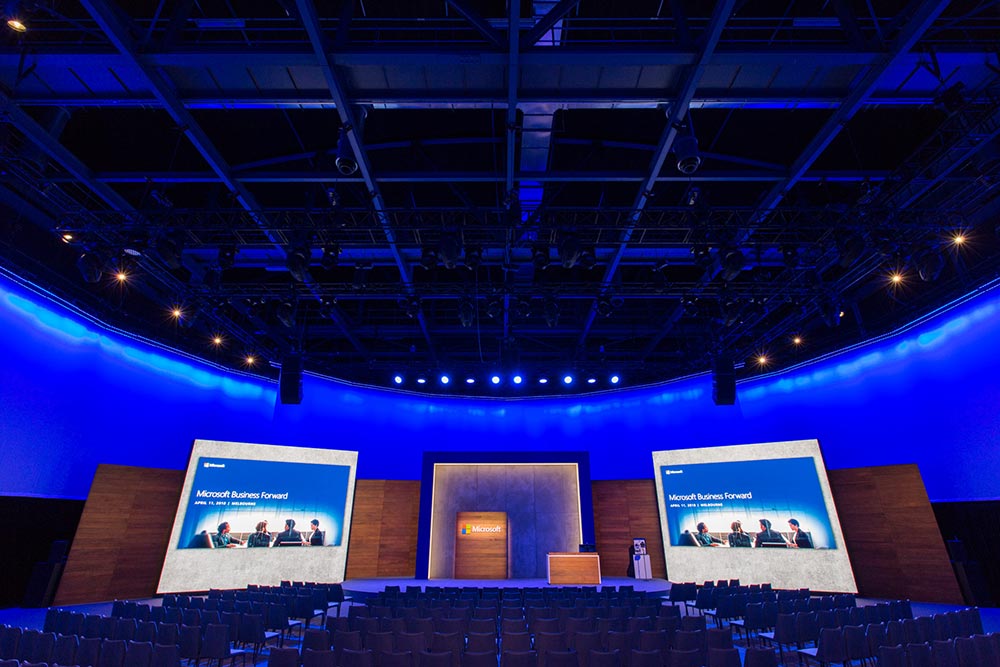
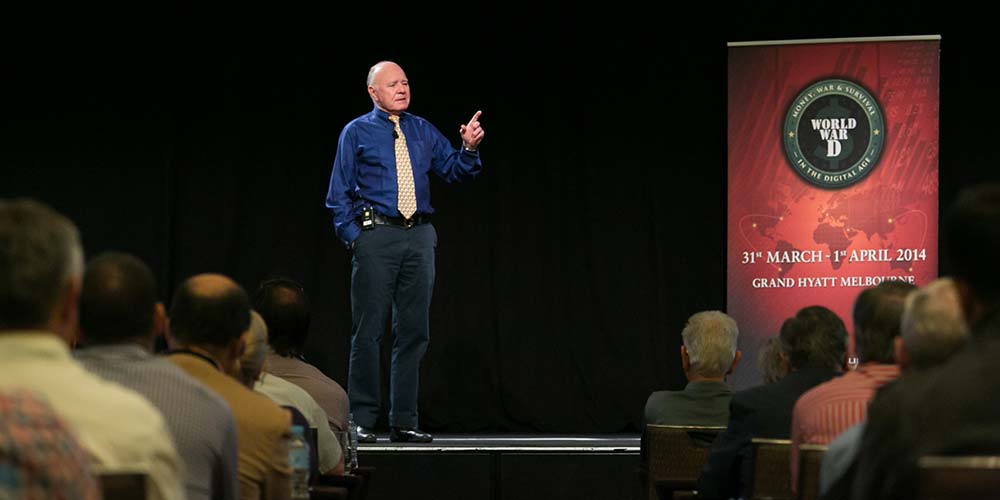
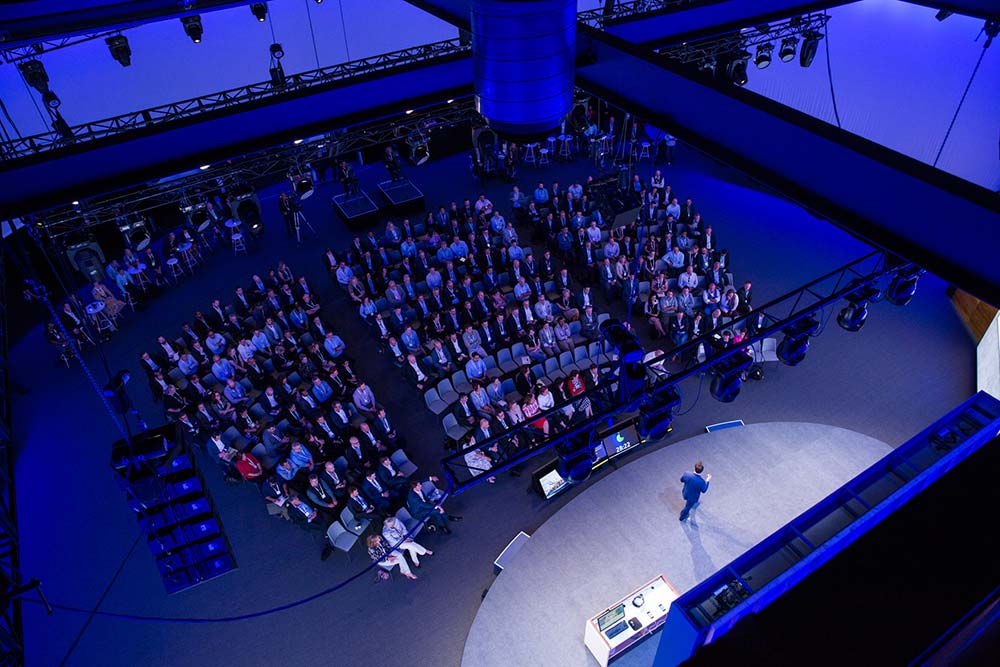
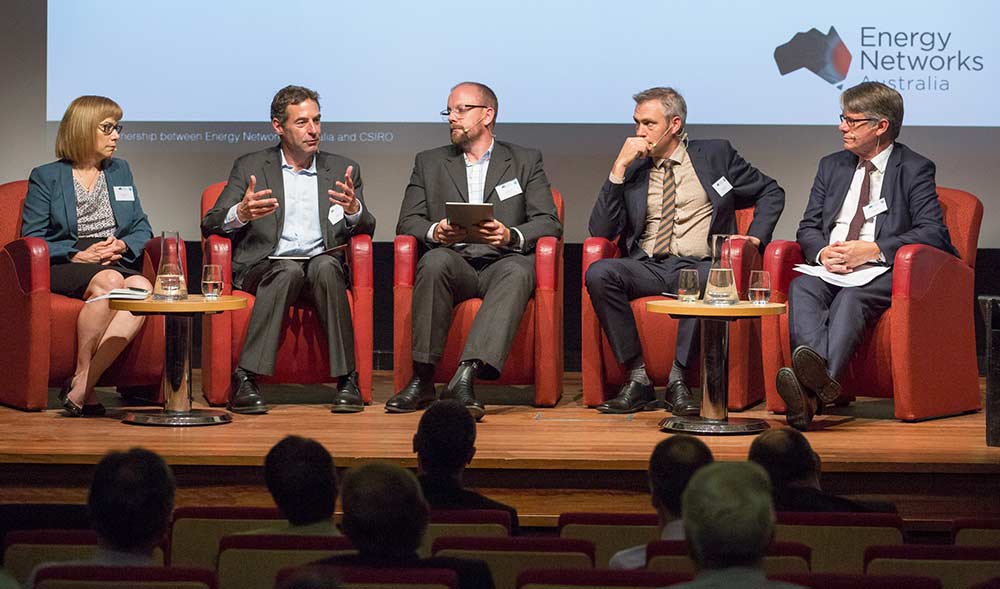
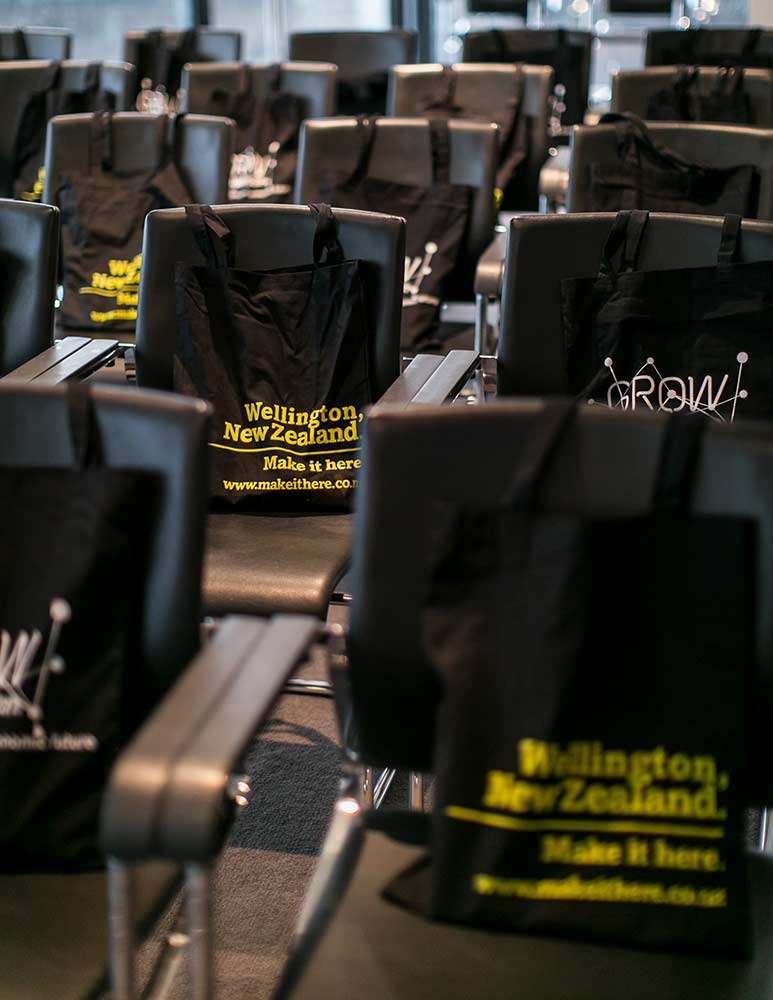
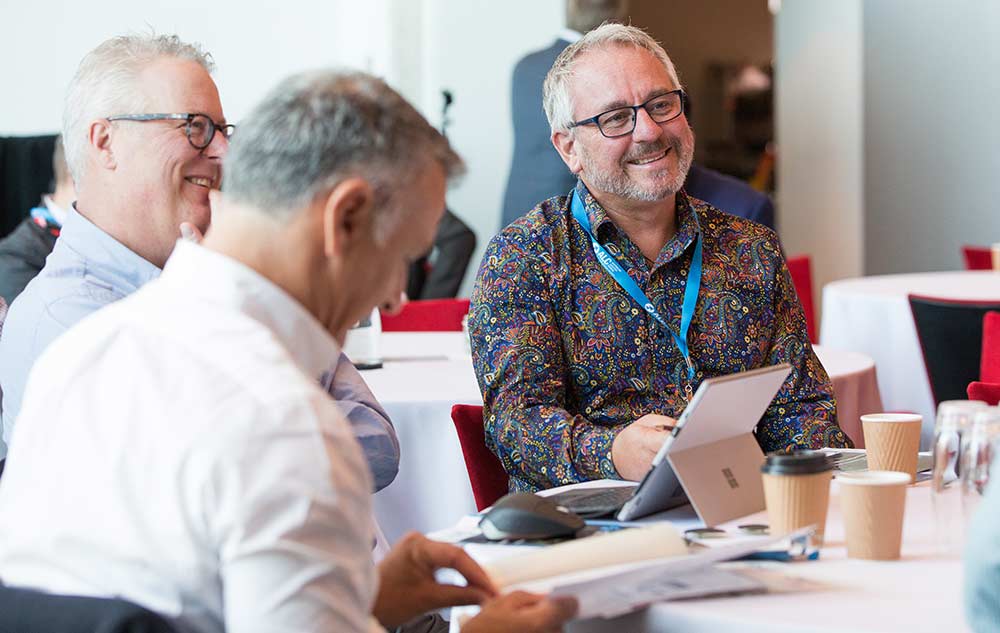
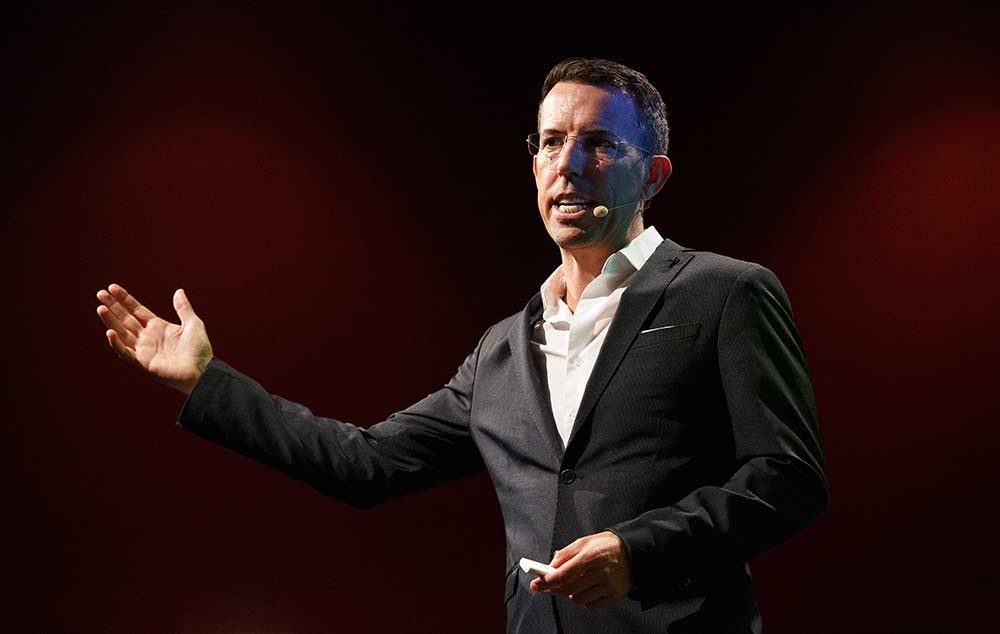
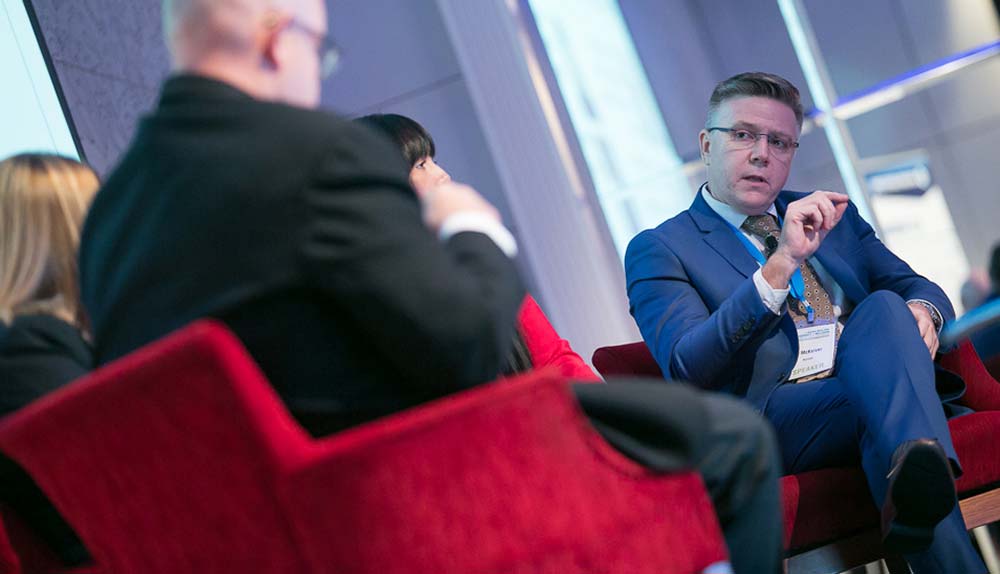
We’ll photograph the general atmosphere, networking, venue setup, branding, key participants and speakers, and other images that may be useful for your social networks and annual reports.
We have worked at hundreds of events, photographing everybody and everything from guest wombats through to Prime Ministers and international celebrities so know how to work in an approachable and respectful manner. We also work as discretely as we can to avoid disturbing your guests or disrupting the flow of an event.
Through our extensive experience with photographing expos and conferences in Melbourne, we know all the major event and conference venues like the back of our hands.
As regular photographers at the MCEC, MCG and Crown Conference Centre we have worked on events of all type at these venues so can answer any questions you may have when planning your conference.
We are also happy to offer logistical advice on room and stage set-ups that maximise the impact for photography and video so that you get the best from the conference as well as make recommendations for other Melbourne based suppliers such as videographers or corporate entertainers.
Impressing YOUR clients is just as important to us as impressing YOU, so you can rely on us to be respectful, friendly, professional and suitably attired for your event.
Do you have a list of photos you’d like to see? We’re self starters when it comes to knowing what to photograph, but we’re always happy to receive a detailed brief to ensure that we capture everything you require.
Our Corporate Clients Include: